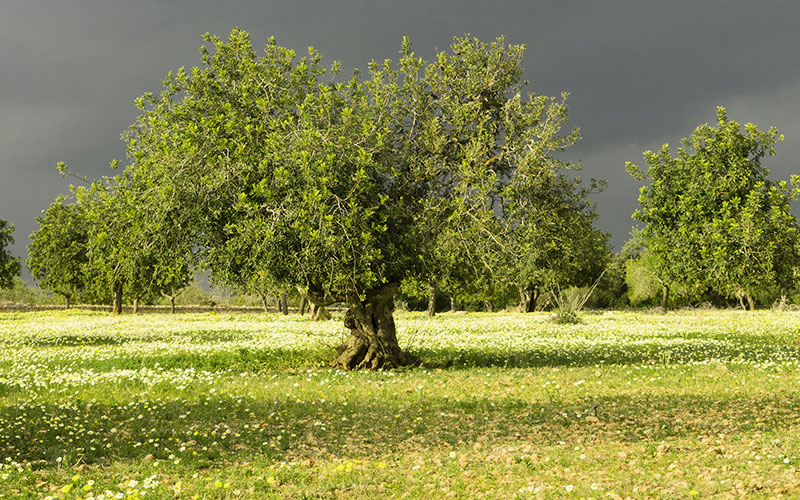
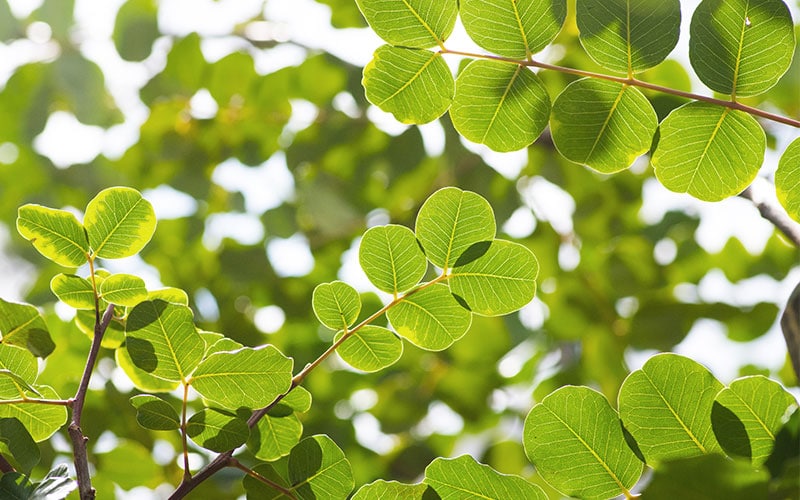
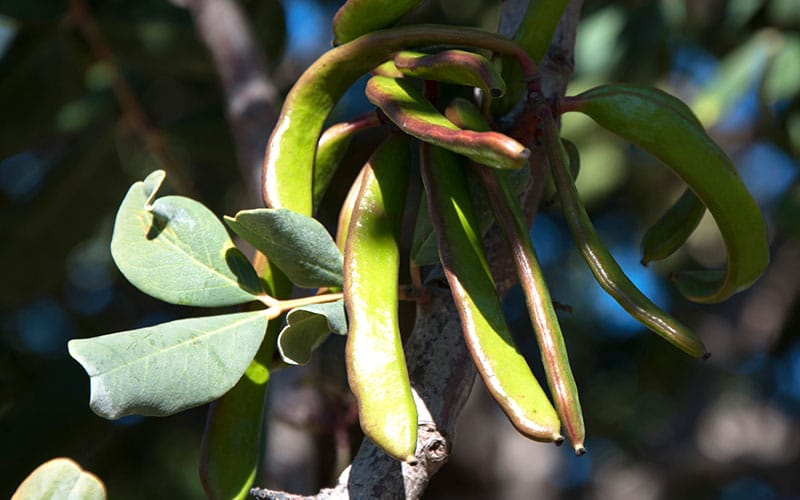
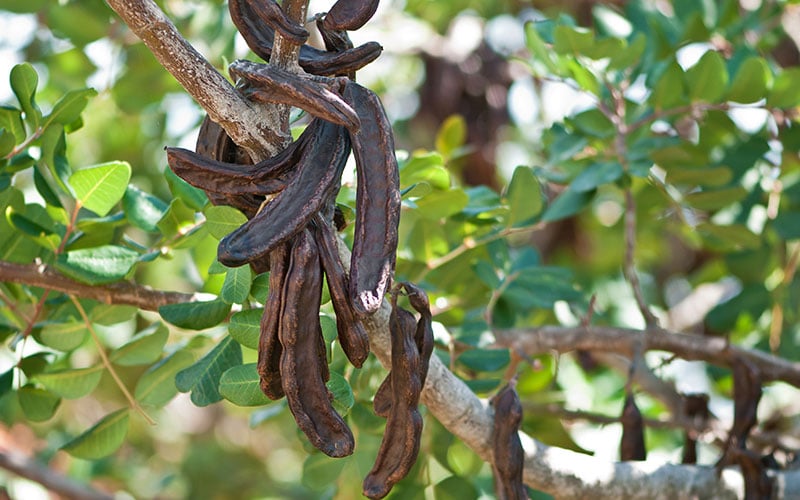
The Rius family has a long experience and tradition of three generations in the trade and industry of raw materials, currently as independent sales agent specialized in carob products (ceratonia siliqua).
The factories of our suppliers are located in Valencia-Spain, one of the largest carob producing regions in the world and connected with an important infrastructure network for the transport of goods. The port of Valencia is the most important in the Mediterranean in terms of container volume.
This strategic position and a careful selection of manufacturers based on their quality, service and dependability is what allows us to give an effective response to the demands of buyers. We would be pleased to receive your proposals and be able to provide solutions to your specific needs in any carob product.
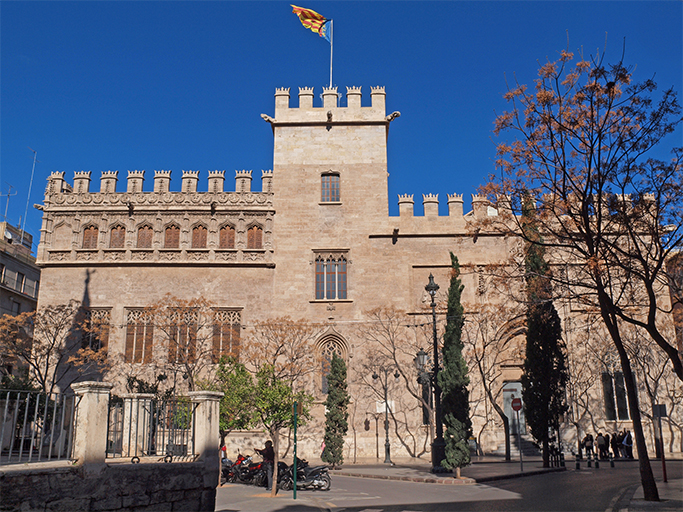
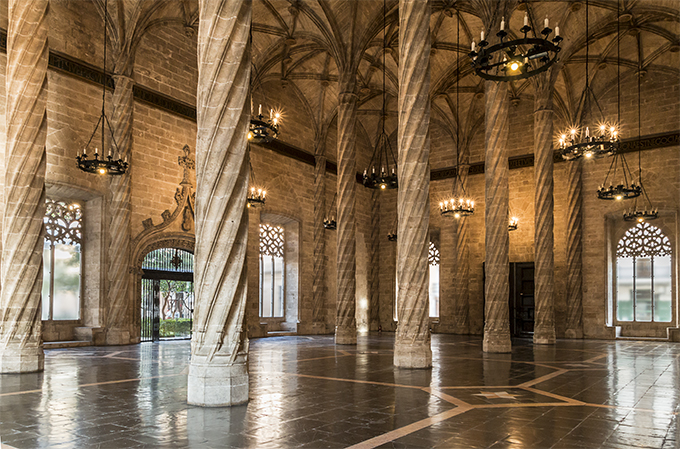
The Consulate of the Lonja de Valencia was created in 1934, and until recently still held market session every Friday in the magnificent Gothic edifice built in the late fifteenth century, la Lonja de Valencia, where farmers, merchants and manufacturers of Valencia came from different unions and associations.
On the four walls of the column hall of the Lonja de Valencia, at more than eleven meters high is the following inscription in Latin in Gothic script:
“Famous house am I, built in fifteen years. Try to see, fellow citizens, how trading is such a good thing when there is no lie in the speech, when one swears to one’s neighbor and does not deceive the one who yields his money without usury. The merchant who acts in this way will redound to wealth and in the end will enjoy eternal life”.
Based on this philosophy, we have mainly developed the commercialization of products derived from the carob fruit.
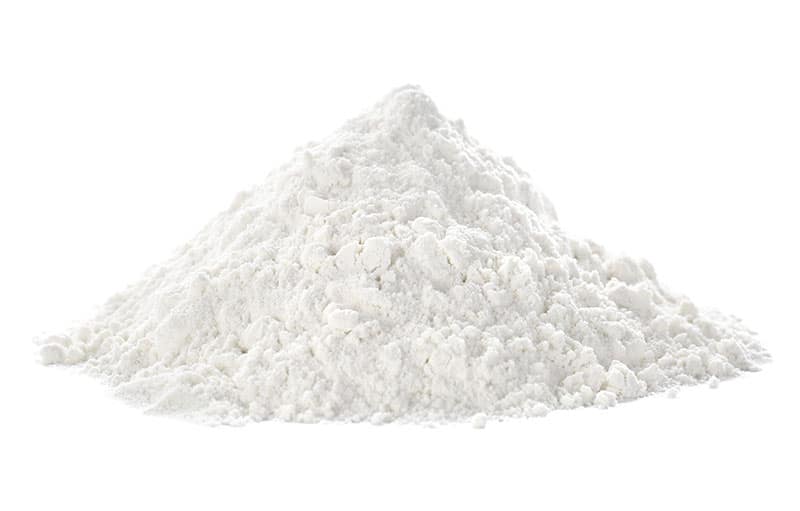
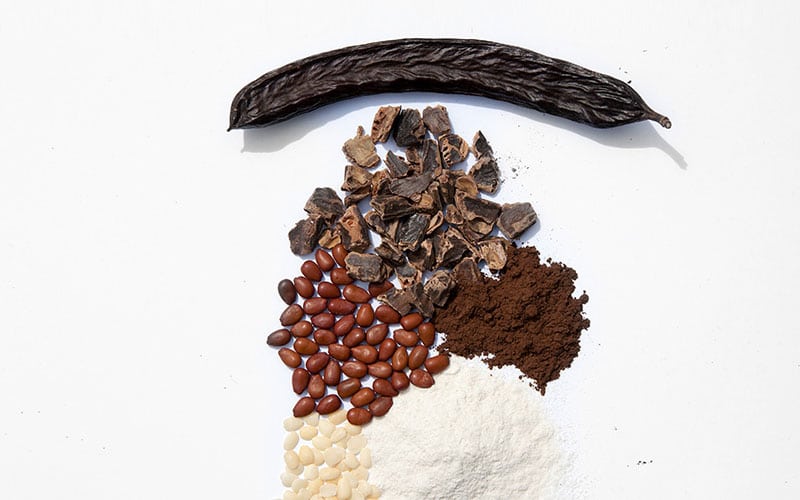
Locust bean gum (E-410) is a hydrocolloid obtained from the endosperm of the carob seed (Ceratonia Siliqua), through a process of peeling, degermination and grinding.
It is a natural product with multiple applications in the food industry due to its great versatility as a thickener, viscosity and texture modifier. It is also compatible with other hydrocolloids.
Any viscosity and particle size can be produced according to customer demand.
Packaging: 25 kg net paper bags with an inner polyethylene liner. Shelf life: 2 years if kept in the original sealed packaging in a cool, dry place. Organic product available. Certifications: FSSC 22000 / Kosher / Halal
Carob Powder
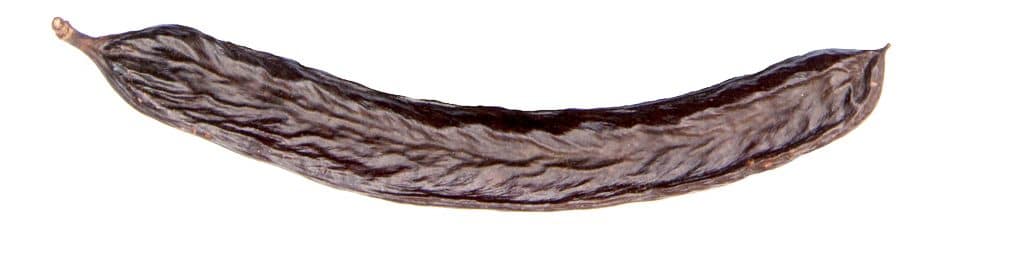
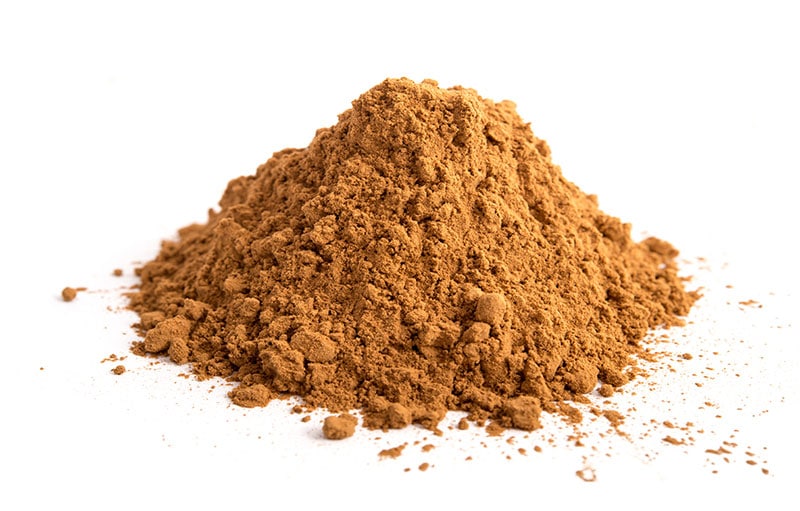
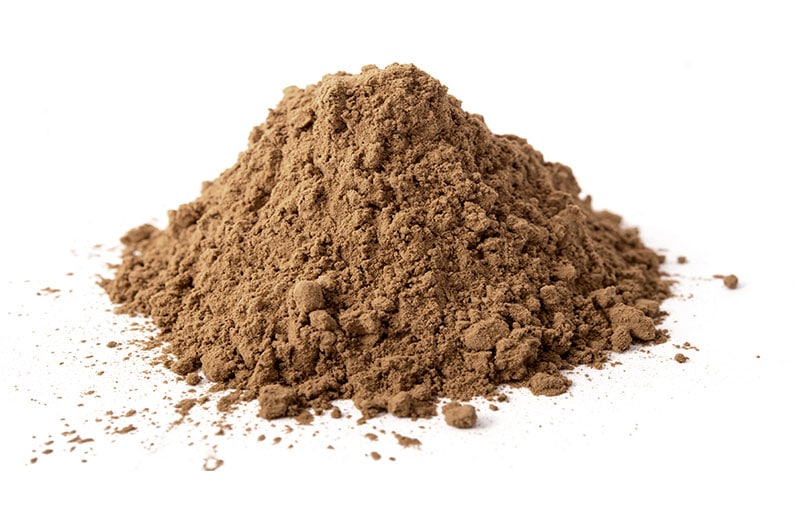
Carob powder is a natural food ingredient that is derived from the carob kibbled once separated the seed, using a special roasting process and micronized.
It is a healthy product with a high dietary fiber content and low in fat. It is rich in natural sugars, vitamins, and minerals. It has a significant presence of polyphenols and antioxidant properties.
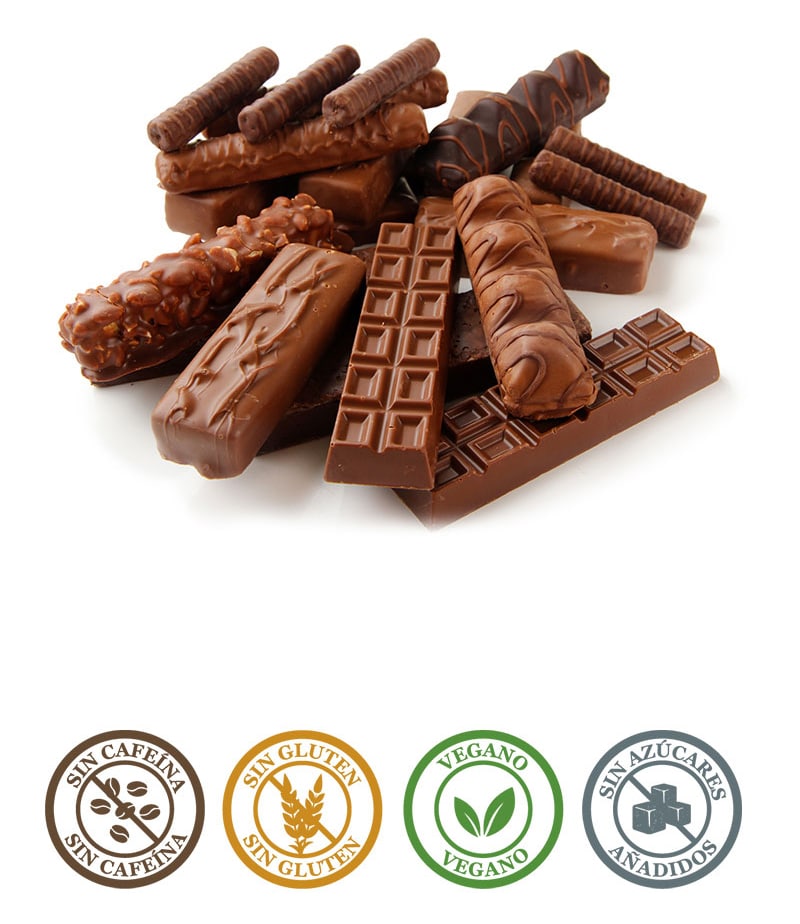
Carob powder has not caffeine or theobromine. It is suitable for vegetarians and celiac with no GMO allergens and gluten. Se utiliza en los siguientes productos.
Pastries – cookies – cakes
Instant drinks
Breakfast cereals
Cocoa substitute
Flavors and aromas
Natural colors
Carob powder is offered based on the color and sugars content.
AVAILABLE QUALITIES
ROASTED CAROB
CLARA
AVERAGE
DARK
Total sugars
Min. 30 %
Min. 15 %
Min. 10 %
Protein
Min. 3 %
Min. 3 %
Min. 3 %
Humidity
Max. 5 %
Max. 4 %
Max. 4 %
Dietary fiber
Min. 15 %
Min. 30 %
Min. 45 %
Fat
Max. 4 %
Max. 4 %
Max. 4 %
Ashes
Max. 4 %
Max. 4 %
Max. 4 %
Granulometry
Max 98% 75 micron
Any other color / type can be produced by customer demand.
Packaging: 25 kg bags. // Big/Bags Shelf life: 2 years, stored in a cool, dry place. Organic product available. Certifications: FSSC 22000 // Halal // Kosher
Carob Kibbled
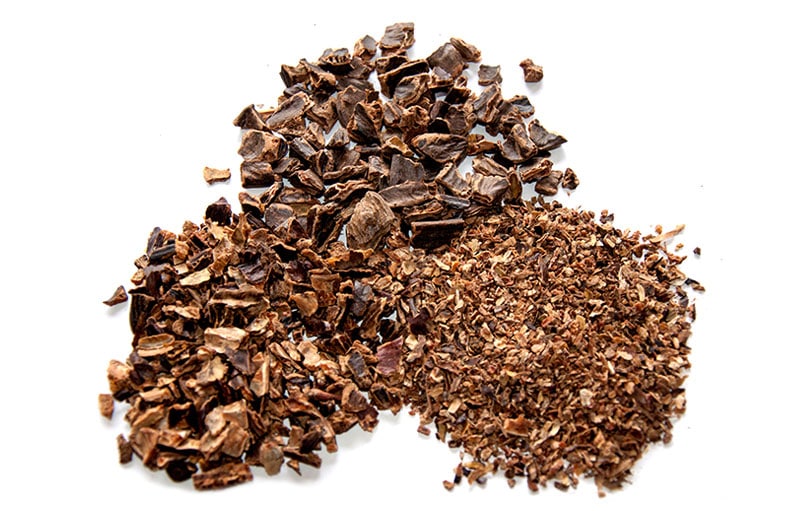
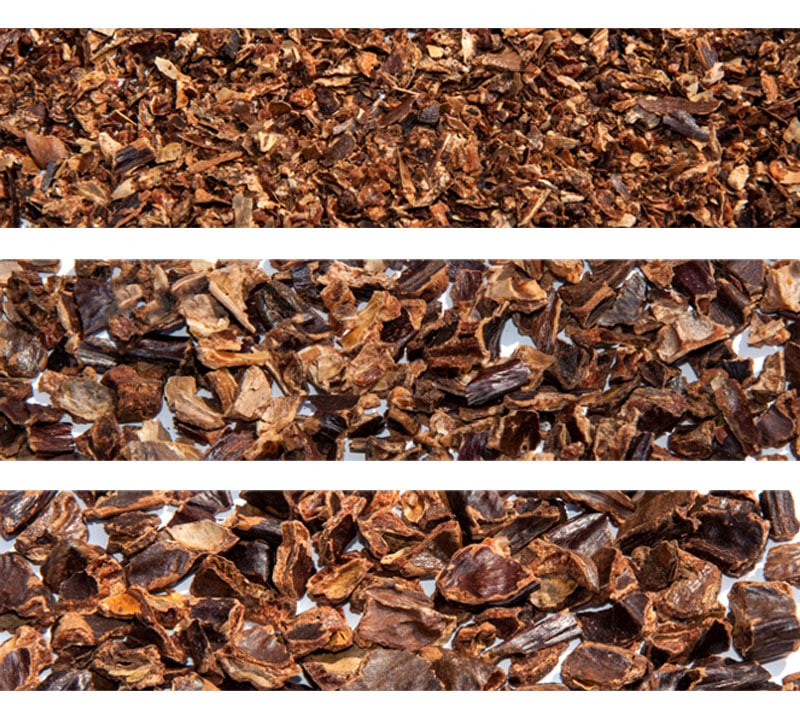
Carob kibbled is the result of milling, screening and classifying the carob fruit in different sizes, once carob seeds are separated.
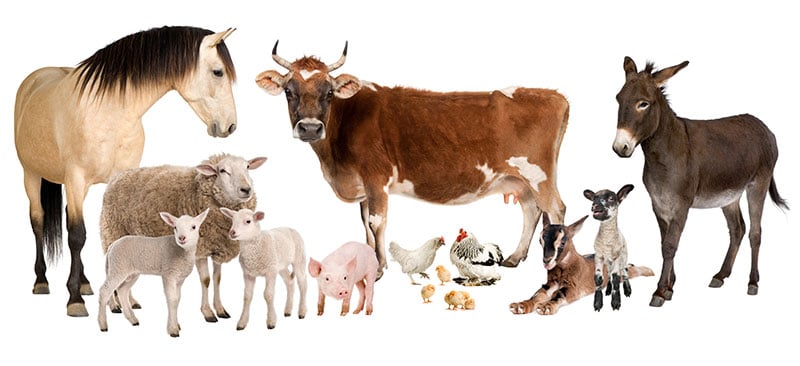
It is a very suitable food for animal feed because of its high concentration of sugars and a significant percentage of fiber. Its high palatability and anti diarrheal characteristics that confer tannin content are a plus for incorporation in early ages feed.
The different qualities of Carob kibbled are determined by the size and moisture.
CALIDADES DISPONIBLES
GARROFA TROCEADA
HUMEDAD
GRANULOMETRÍA
MOLIDA 1
≤ 14% ± 1%
< 1 mm
MOLIDA 2
≤ 14% ± 1%
< 2 mm
MOLIDA 3
≤ 16% ± 1%
< 5 mm
MEDIANOS
≤ 16% ± 1%
4/8 mm
CUBOS
≤ 16% ± 1%
8/20 mm
Packaging: Bulk // 20 kg net weight paper bags // 1,000 kg Big-Bags.
GMP+B2(2010) certified, which meets the requirements of the international GMP+ standard. Available organic product. Available organic product.
Certifications GMP+B2
Carob Micronized
Micronized carob is obtained through a thermal and milling process. It is a natural ingredient that enhances the dietary value of carob in animal feed, and its presentation as a flour is also beneficial.
It enhances the palatability of the feed it’s added to due to its high content of natural sugars, is very energetic, and easily digestible. It has a significant presence of tannins (polyphenols), which can replace antibiotics, enzymes, and yeasts.
Technical characteristics of Micronized Carob
Total Sugars 43% – Calories 3.400 kcal / 14,23 MJ
Maximum particle size 105 microns – Solubility 65%
Humidity max. 6% – Proteina min. 4%
Fat max. 0,5% – Cenizas max. 4,5%
Fiber min. 7% – Tannins 3.5%
Packaging: Bulk tanker truck // 25 kg paper bags with inner polyethylene liner // Big bags. Shelf life: 12 months when stored in a cool, dry place. Organic product available. Certifications: GMP+B2(2010): Production of feed ingredients
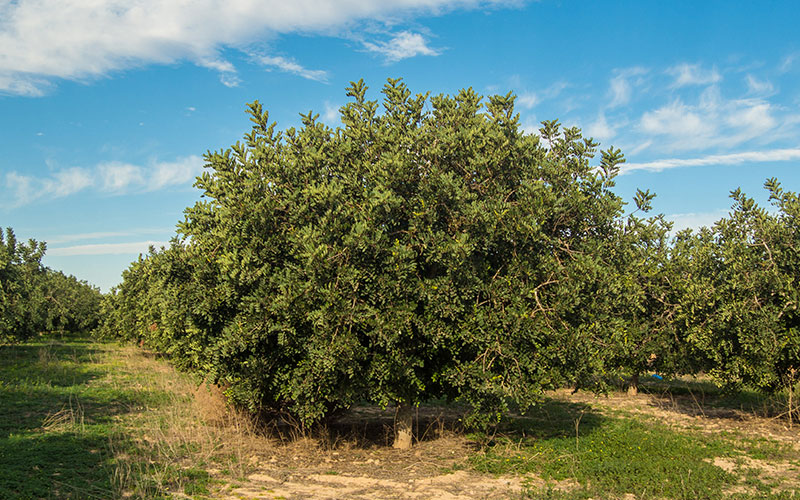
Carob cultivation helps to stop desertification by reducing soil erosion. It is a tree with a high capacity to fix carbon, and requires little or no fertilizer and few irrigation. The manufacture of products derived from carob has a very low carbon footprint through a simple, mainly mechanical process.